Ch6-3 · 波兰团结工会、KAL 007 与苏联领导层危机
Superpower Relations and the Cold War, 1944–90 — Unit 6: The "Second" Cold War 1979–85
第 3 / 4 讲 1980 格但斯克罢工 莱赫·瓦文萨 1981.12 戒严 教皇保罗二世 1983 KAL 007 被击落 老人政治 gerontocracy 安德罗波夫·契尔年科 教材《A World Divided》Ch8① 四步主线 · 这一讲你要抓住什么
- 东欧裂缝:1980 年代东欧经济失灵 + 西方消费社会对比,民众不满累积。
- 波兰引爆:1980 格但斯克罢工 → 团结工会(Solidarity)合法化 → 1981.12 雅鲁泽尔斯基戒严镇压。
- 外部助力:教皇保罗二世 1979 访波,"不要害怕"点燃信心。
- 苏联失能:KAL 007(1983.9)暴露苏联反应僵化;连续三任病弱老人领袖(勃列日涅夫→安德罗波夫→契尔年科)造成"老人政治"瘫痪。
知识地图 · 先认脸
团结工会(Solidarity)
1980 年波兰出现的独立工会,领导人莱赫·瓦文萨(Lech Wałęsa)。一度会员达 1000 万,是苏联阵营内首个合法独立于共产党的群众组织。雅鲁泽尔斯基(Jaruzelski)
波兰将军/总理,1981 年宣布戒严镇压团结工会。教材说他知道替代方案是"苏联直接入侵",因此自断手腕以止损。教皇保罗二世
波兰裔教皇,1979 年访波,一句"不要害怕"(Do not be afraid)鼓舞了反对派,令波兰政府不安。KAL 007
1983.9 苏联战机击落误入领空的大韩航空客机,269 人丧生(含一名美国议员)。西方震怒,被视为苏联"无法理性行事"的证据。老人政治(gerontocracy)
指苏联 1982–85 连续三任领袖(勃列日涅夫、安德罗波夫、契尔年科)都年老多病,决策陷入瘫痪。安德罗波夫 / 契尔年科
勃列日涅夫后继者。安德罗波夫(1982–84)本想改革但肾衰竭;契尔年科(1984–85)肺气肿,上任即濒死。真实图片 · 1980 格但斯克造船厂罢工与团结工会
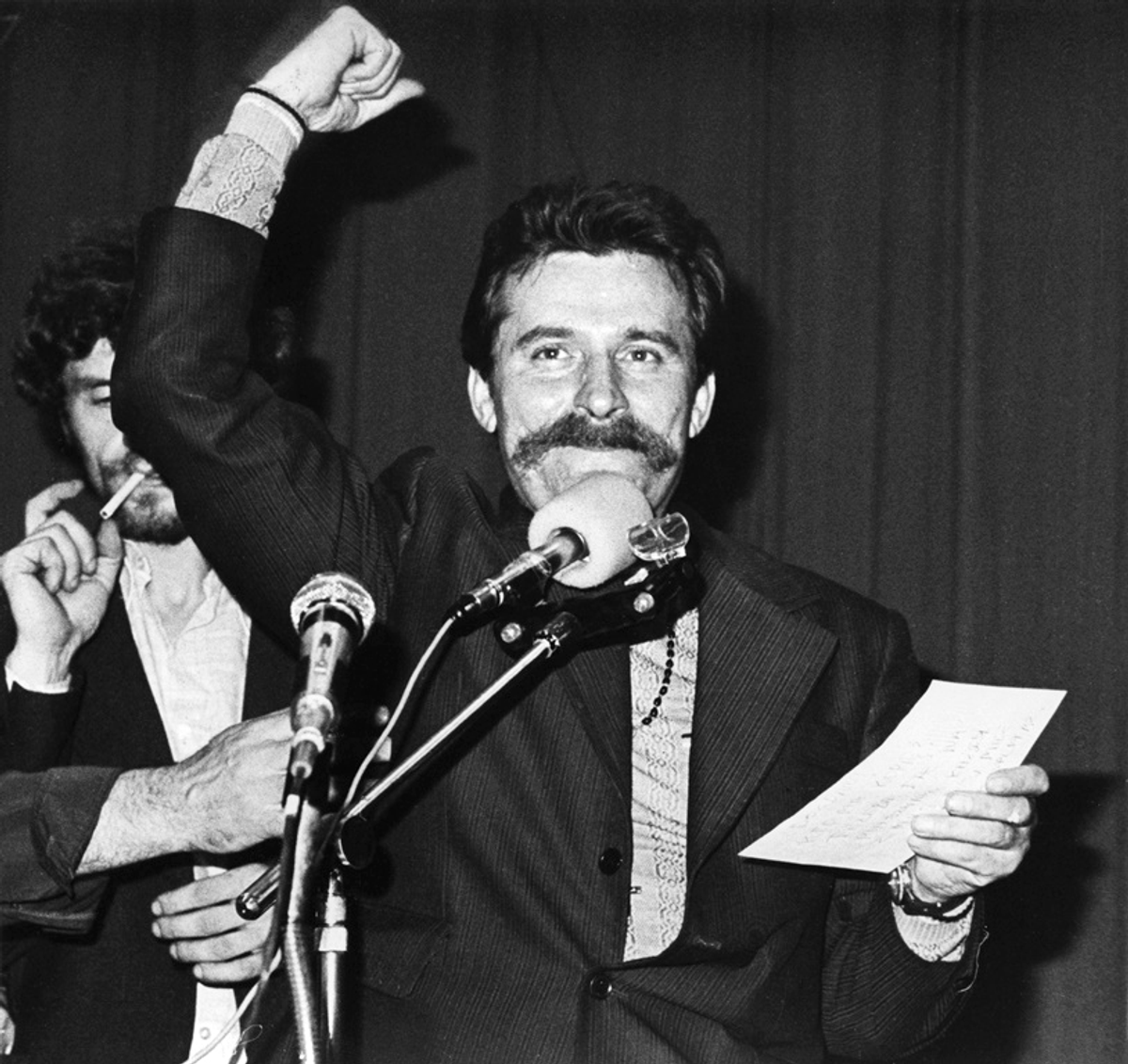
莱赫·瓦文萨领导的团结工会一度会员达 1000 万,是苏联阵营内首个合法独立的群众组织。
背景链 · 东欧为何在 1980 年代"松动"?(竖向因果)
- 1. 经济失灵:东欧国营工业效率低、消费品短缺、污染严重;1970 年代油价上涨让外债与技改双双困难。
- 2. 期望落差:东德/捷克边境能收到西德电视,西方消费社会 vs 东方匮乏,落差刺激不满。
- 3. 宗教与身份:波兰天主教传统 + 教皇(本国人)访波,提供精神支点。
- 4. 苏联自顾不暇:阿富汗泥潭 + 老人政治,使莫斯科无力再像 1956/1968 那样果断干预东欧。
主线串讲 · 波兰:一次"被压住"的地震
| 时间 | 事件 | 意义 |
|---|---|---|
| 1979.6 | 教皇保罗二世访波,"不要害怕" | 精神上的"解冻",给反对派勇气 |
| 1980–81 | 格但斯克造船厂罢工 → 团结工会合法化(1000 万会员) | 苏联阵营首次出现独立群众组织 |
| 1981.12 | 雅鲁泽尔斯基宣布戒严,军队镇压 | 避免苏联直接入侵的" lesser evil" |
| 1981 后 | 工会被禁,但地下网络保留,等待时机 | 证明苏联式控制已难彻底清除异见 |
教材关键句:苏联担心波兰的让步会"鼓励阵营内其他地方仿效,威胁共产主义对东欧的控制"——这正是后来 1989 剧变预演。
📖 史料 · Source I(教皇 1979 年会见波兰群众)
教材配图 Source I「Pope John Paul II meeting crowds in Poland in 1979」+ SKILLS BUILDER 第 2 题:为什么苏联会觉得这幅场景"尴尬"?
→ 一个波兰人、宗教领袖、百万群众自发聚集——这本身就是对苏联"无神论+党国控制"叙事的公开否定。
📖 史料 · KAL 007(1983.9)
"苏联战斗机击落韩国客机……269 名乘客全部遇难,西方哗然。飞机从阿拉斯加飞往首尔时误入苏联领空,苏方假定它是间谍机并将其击落。"
→ 此事叠加在欧洲导弹危机上,使 1983 年成为冷战最危险的年份之一。
深挖 · 苏联领导层危机:里根的玩笑背后
1982–85 三年换了三任最高领袖,且个个病入膏肓。里根调侃:"俄国人老死在我任上,我还怎么跟他们打交道?"——这不只是笑话,而是战略现实:
- 勃列日涅夫(至 1982):身体崩溃,决策停滞。
- 安德罗波夫(1982–84):69 岁,本欲改革,但肾衰竭靠透析机维持,被嘲"克里姆林宫最通电的人"。
- 契尔年科(1984–85):保守派,肺气肿,上任即濒死,一年多即亡。
后果:苏联无法提出任何新倡议,对外只剩"惯性对抗",对内无力应对危机——为 1985 戈尔巴乔夫上台埋下伏笔。
⚠️ 易错:别把"老人政治"写成"苏联软弱所以美国赢了"。准确说法是"苏联领导层瘫痪使其无法有效管理对抗,也无力改革,矛盾因此累积到 1985 后总爆发"。
课后真题四件套 · Ch6-3
① 题目(教材《A World Divided》Ch8 SKILLS BUILDER 改编 · 适配本讲)
How far do the events in Poland in 1980–81 show that the Soviet hold over Eastern Europe was weakening?(15 分)
② Mark Scheme 要点(双向)
- 同意(控制力削弱):独立工会合法化、教皇鼓舞、波兰政府被迫谈判,显示苏联式控制已不能消灭异见;苏联不敢直接入侵(怕更大流血)转而默许戒严。
- 不同意(控制仍在):戒严成功镇压、工会被禁、地下网络脆弱;苏联仍能通过威慑阻止东欧"脱轨"。
- 最佳答案:1980–81 是"裂缝显现但暂被压住"——真正崩塌要等到 1989,但此时已暴露体制软肋。
③ 中文思路
先列波兰事件(工会、教皇、戒严)作为"削弱"证据;再用"戒严成功、苏联威慑仍在"作为反证;结合"老人政治"说明莫斯科反应迟钝;结尾给程度判断(showed cracks but not yet collapse)。
④ 英文 EXEMPLAR(约 320 词 · L4–L5 水准)
The events in Poland between 1980 and 1981 revealed significant cracks in the Soviet hold over Eastern Europe, but they did not yet prove that control had collapsed; the regime reasserted itself, albeit at a cost.
Several developments suggested weakening control. The emergence of Solidarity, an independent trade union led by Lech Wałęsa, was extraordinary: it reached a membership of ten million and in 1980 the communist government capitulated and granted it legal status. This was the first time a Soviet-bloc population had forced such a concession. The visit of Pope John Paul II, himself Polish, in June 1979 further emboldened opposition; his message of "Do not be afraid" unsettled the government and gave courage to dissenters (Source I). As the textbook notes, the USSR feared that Polish concessions might "encourage groups elsewhere within the Soviet Bloc", threatening communist control across the region.
However, the hold was far from broken. When unrest grew, General Jaruzelski declared martial law on 12 December 1981 and used the army to quell it; Solidarity was abolished, albeit it survived underground. Crucially, the alternative to martial law was likely a direct Soviet invasion, which Jaruzelski's action prevented but which shows Moscow's ultimate recourse remained force. Moreover, deeper structural weaknesses — economic inefficiency, consumer shortages and the gap with Western living standards visible on West German television — were mounting but had not yet translated into systemic change.
In conclusion, Poland in 1980–81 demonstrated that Soviet authority was brittle and increasingly contested, yet it remained able to suppress open revolt. The events were a warning of vulnerability rather than proof of collapse; the actual disintegration would await Gorbachev and 1989.
⑤ 自检清单
- ☐ 有没有提团结工会规模(1000 万)这个"反常"数字?
- ☐ 有没有解释教皇的象征意义?
- ☐ 有没有平衡"戒严成功镇压"这条反证?
- ☐ 结尾有没有点出"这是裂缝不是崩塌,崩塌在 1989"?
拓展阅读
- 教材 p.165 三位传记(齐奥塞斯库 / 雅鲁泽尔斯基 / 瓦文萨)对比读,能体会"改革者 vs 镇压者 vs 反对者"三种命运。
- 想串联:波兰 1981 的"地下网络" → 1989 大选获胜,是 1980 年代唯一真正兑现的反对运动。