Ch5-1 · 缓和的开端 1963–68:热线、禁核试、NPT 与布拉格之春
Superpower Relations and the Cold War, 1944–90 — Unit 5: Détente and its Endings 1963–79
第 1 / 5 讲 1963.6 热线 1963.8 部分禁核试条约 1968.7 NPT 1968.8 布拉格之春被镇压 勃列日涅夫主义 教材《A World Divided》Ch7这一课的主线
Why did the two superpowers, who had nearly destroyed each other over Cuba in October 1962, spend the next six years building telephone lines and signing test-ban treaties? And why, at the very moment the world seemed to be calming down, did Soviet tanks roll into Prague in August 1968?
- Why · 为什么 1962 之后双方都想"降温"?——古巴导弹危机把两个人都吓着了:核战不再是"政策工具",而是"共同自杀"。加上苏联经济吃紧、美国陷在越南,两边各有一堆家里事要处理
- What · 1963–68 实际做了什么?——1963 热线 + 部分禁核试条约 → 1964 勃列日涅夫上台 → 1967 葛拉斯堡罗峰会 → 1968 NPT《不扩散核武器条约》
- So · 那为什么 1968 年苏联又入侵捷克斯洛伐克?——因为缓和从来不等于"停止竞争",更不等于"苏联放松对东欧的控制"。布拉格之春触的是苏联的底线,不是缓和的精神
- What next · 这一课怎么通向 Ch5-2~5?——1963–68 只是"装护栏"(热线、禁核试、NPT),真正的成果 SALT I 要等到 1972;而 1968 的教训会让 1970s 的每一次军控谈判都绕不开"东欧怎么办"
一、知识地图:什么是 Détente?它和"解冻"不是一回事
二、背景链:为什么 1962 年之后,双方都想"别再来一次"?
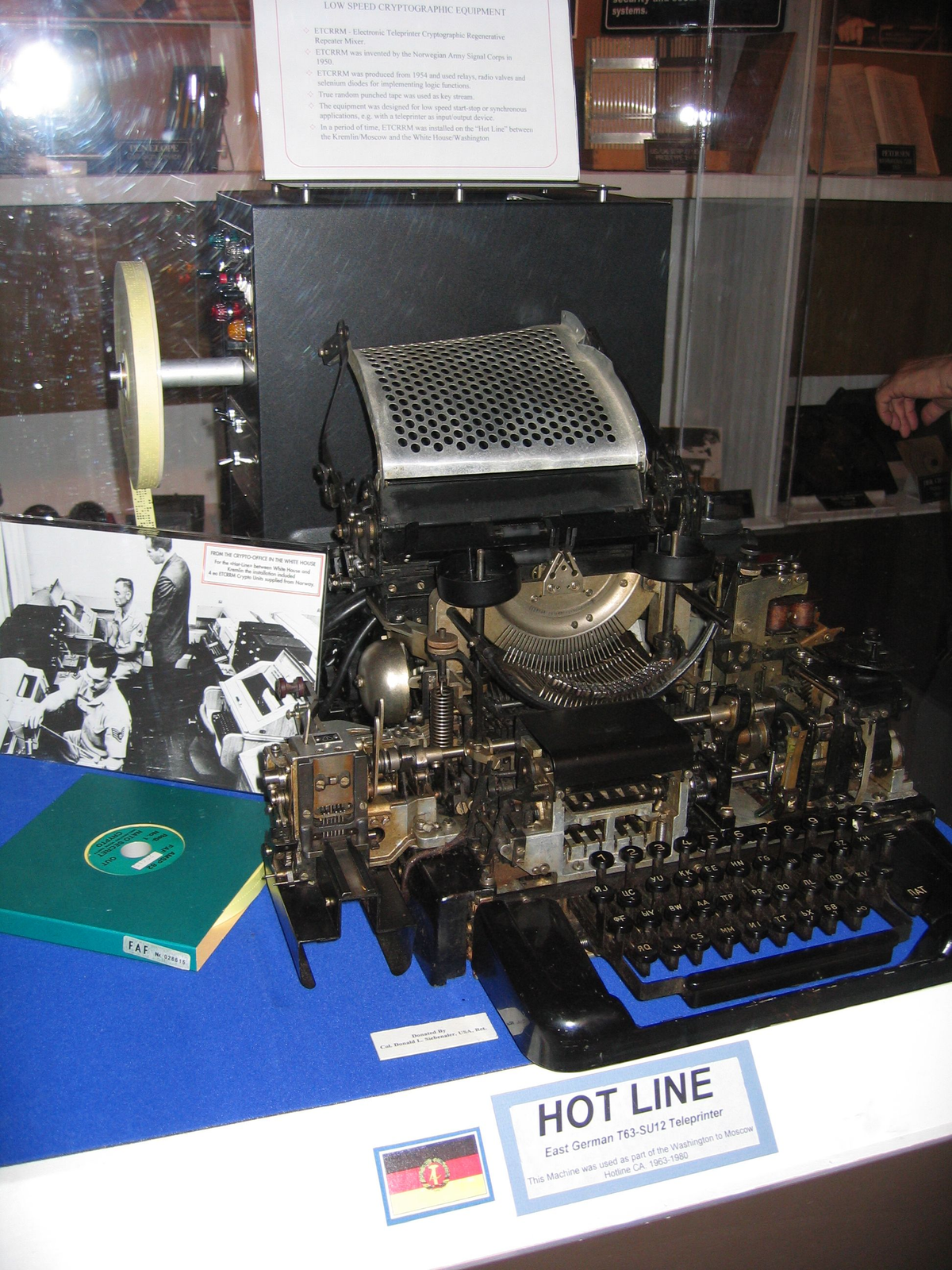
- ① 恐惧核战:古巴危机是"共同的创伤"——1962 年 10 月,全世界第一次真切感到"下周可能就没有下周了"。肯尼迪事后说,这种"核边缘"不能再来第二次;赫鲁晓夫同样被吓到(他下令撤导弹时,卡斯特罗完全不知情)。所以第一个动作不是裁军,而是"装电话":1963 年 6 月热线建立,目的只有一个——下次危机时别因为误判而毁灭世界
- ② 苏联的需求:经济吃不消了——勃列日涅夫 1964 上台后面对三笔大账:军费吃掉 GDP 的 12–15%(约 3000 万人服务于军工产业);农业常年歉收(1970s 每年要花近 150 亿美元进口粮食,美国是主要卖家);老百姓被赫鲁晓夫"承诺过的美好生活"吊高了胃口却没兑现。缓和对苏联是"**省钱 + 换技术 + 买粮食**"
- ③ 苏联的需求:东欧不稳 + 中苏分裂——1968 捷克斯洛伐克、1970 波兰格但斯克罢工、罗马尼亚闹独立,苏联的东欧"后院"在松动;同时中苏 1969 珍宝岛已经打起来。苏联最怕两线作战,所以必须先稳住西线:跟西方缓和,换取西方承认东欧现状
- ④ 苏联的需求:越战让美国露出疲态——1960s 末美国深陷越南,国内反战撕裂社会、军费挤压预算。苏联判断:这是"谈判的好时机",而且此时苏联已在核弹头数量上接近均势,可以从实力地位谈,不用低头
- ⑤ 美国的需求:也想喘口气——越战泥潭 + 国内通胀 + 反战运动,约翰逊政府无力再开新战线;美国同样担心核扩散(1964 年中国首次核试验),希望用 NPT 把"核俱乐部"锁死;再加上尼克松后来想"**联华制苏**",要先跟莫斯科降温
- ⑥ 欧洲在推:Ostpolitik 自下而上——缓和不是美苏两家拍脑袋。1969 年西德总理勃兰特推出"东方政策",主动向东欧伸手。(详见 Ch5-3)
三、主线串讲:1963 → 1968,缓和的"第一段路"
| 时间 | 事件 | 关键人物 | 为什么重要 |
|---|---|---|---|
| 1963.6.10 | 肯尼迪美利坚大学演讲:呼吁重新审视对苏态度,宣布单方面暂停大气层核试验 | Kennedy | 美国第一次公开把苏联称为"同样厌倦战争的人民",缓和的舆论起点 |
| 1963.6.20 | 《直接通信链路谅解备忘录》签署,热线建立 | 美苏代表(日内瓦) | 从"猜对方在想什么"到"能直接问一句"——危机管理机制的起点 |
| 1963.8.5 | 美英苏签署《部分禁止核试验条约》(PTBT) | Kennedy / Macmillan / Khrushchev | 第一个真正的军控成果。但只禁大气层/水下/太空,地下试验照打——"部分"二字是关键限定词 |
| 1964.10 | 赫鲁晓夫被解职,勃列日涅夫接任苏共第一书记 | Brezhnev / Kosygin | 延续和平共处路线,但更保守:对东欧绝不放手 |
| 1964.10.16 | 中国首次核试验成功(596 工程,罗布泊) | Mao / 周恩来 | "核俱乐部"扩容,美苏共同的焦虑 → 直接催生 NPT |
| 1967.6 | 葛拉斯堡罗峰会:约翰逊与苏联部长会议主席柯西金在新泽西会面 | Johnson / Kosygin | 越战阴影下的"降温尝试",成果有限,但保持对话不断 |
| 1968.7.1 | 《不扩散核武器条约》(NPT) 开放签署(美苏英等 62 国) | 美 / 苏 / 英 | 两大超强的"**核垄断合伙人协议**":一起防止更多国家入场 |
| 1968.1–8 | 布拉格之春:杜布切克改革 → 8.20–21 华约入侵 | Dubček / Brezhnev | 缓和第一次"急刹车":SALT 谈判推迟,但没有终止 |
⚠️ 易错点 2:PTBT 和 NPT 都不是裁军条约。它们不削减一枚核弹头,只是"限制试验场所"和"限制扩散对象"。答题时写成"disarmament(裁军)"会被扣分,准确说法是 arms control(军备控制)。
四、深挖:布拉格之春 1968——缓和的极限在哪里?
为什么它是本讲最关键的一节?因为它同时证明了三件事:缓和是真的(苏联没有借机在西线挑事),缓和是有边界的(东欧不许改旗易帜),缓和是脆的(一次东欧危机就能把谈判推迟数月)。
- 起点:改革派上台——1968.1 杜布切克(Alexander Dubček)取代诺沃提尼任捷共第一书记。4 月推出《行动纲领》:取消新闻审查、允许结社、搞"社会主义市场经济"、给斯洛伐克更多自治权。口号是"带有人性面孔的社会主义"
- 苏联怕什么?——不是怕捷克"民主",而是怕示范效应:捷克斯洛伐克地处华约正中央,一旦它搞多党化、放松审查、跟西德谈经济合作,波兰、东德、匈牙利会跟着学;更怕它退出华约,在苏联西翼撕开缺口
- 先礼后兵——3 月德累斯顿会议、5 月莫斯科、7 月切尔纳(Čierna nad Tisou)当面会谈,勃列日涅夫反复施压,杜布切克口头答应但改革不停。8.3 布拉迪斯拉发宣言后,苏联判断"劝不动了"
- 动手——8.20 深夜至 21 日凌晨,华约约 50 万军队(苏联为主,波、匈、保、东德派象征性部队)越境,几小时内控制布拉格与全境。罗马尼亚拒绝参加并公开谴责;阿尔巴尼亚正式退出华约
- 结果——杜布切克被押送莫斯科"谈判",1969.4 被胡萨克取代,开启"正常化"(清洗改革派、恢复审查)。约 30 万捷克人外流
- 对缓和的影响(重点)——美国震怒,原定 1968 年的 SALT 谈判推迟;但约翰逊政府没有因此退出缓和,仍在 1968.7 签署 NPT,并在联合国抗议后继续推进军控。这说明:双方都已经把"避免核战"看得比"东欧人权"更重——这正是缓和的本质
"When forces that are hostile to socialism try to turn the development of some socialist country towards capitalism… this is no longer merely a problem of the people of that country, but a common problem and concern of all socialist countries."
—— 当敌视社会主义的势力试图把某个社会主义国家拉向资本主义时,这便不再只是那个国家人民的问题,而是所有社会主义国家共同的问题。
"So, let us not be blind to our differences, but let us also direct attention to our common interests and to the means by which those differences can be resolved."
—— 我们不必对彼此的分歧视而不见,但也要把注意力转向共同利益,以及化解分歧的办法。
— Kennedy, American University speech, June 1963
怎么用:两则放一起就是一道绝佳的"缓和 vs 阵营纪律"对比题——肯尼迪讲的是"求同",勃列日涅夫讲的是"阵营优先"。答题时指出:缓和约束的是核战争,不约束东欧内部秩序,这正是它最终崩塌的伏笔。
五、串线小结:1963–68 到底改变了什么?
- 有了沟通机制(热线):危机不再靠猜
- 有了规则意识(PTBT、NPT):竞争开始有边界
- 有了共同利益:防止核扩散、避免核战,两个超强在这点上是一致的
- 军控谈判(SALT)已在筹备中,1968 年本该启动
- 军备竞赛照跑:MIRV 分导式多弹头 1970 年服役,核弹头数量继续飙升
- 意识形态照骂:只是骂得更"文明"
- 第三世界照打:越南正是 1968 年打的最凶(春节攻势)
- 东欧不许动:布拉格之春被坦克碾平
The one-sentence takeaway: Détente in 1963–68 was about managing the rivalry, not ending it — the superpowers agreed to put guardrails on the road, while continuing to drive fast.
六、课后真题训练
📄 题目原文(教材 Unit 7 SKILLS BUILDER 改编)
How far do you agree that, in the years 1963–68, the main reason for the development of Détente was the fear of nuclear war?
You may use the following in your answer and any other relevant examples:
• the Moscow–Washington hot line (1963)
• the Partial Test Ban Treaty (1963)
• the Non-Proliferation Treaty (1968)
• the Soviet invasion of Czechoslovakia (1968)
中文意译:1963–68 年间,缓和得以发展的主要原因就是对核战争的恐惧吗?你在多大程度上同意?
📊 Mark Scheme(Edexcel Section B 通用档位 + 本题可用论点)
| 档位 | 分数 | 特征 |
|---|---|---|
| L1 | 1–4 | Simple or generalised statements; judgement missing or asserted |
| L2 | 5–8 | Descriptive passages; criteria for judgement left implicit |
| L3 | 9–14 | Attempt to explain links between key features; weak substantiation |
| L4 | 15–20 | Analysis of the relationships between key features; supported judgement |
| L5 | 21–25 | Sustained analysis and discussion; relative significance evaluated |
Indicative content(建议论点)
- 支持"恐惧核战是主因":古巴导弹危机 (1962) 让双方都意识到核战可能失控 → 热线 (1963) 的唯一目的就是防止误判;PTBT (1963) 直接回应大气层核试验的辐射恐慌;MAD 到 1969 年形成,双方都需要"管理"这种恐怖平衡
- 反对/其他因素——苏联的经济与战略需求:军费负担(约 3000 万人服务于军工)、农业歉收、需要西方技术与粮食;中苏分裂 (珍宝岛 1969) 使苏联必须稳住西线;希望西方承认东欧现状
- 反对/其他因素——美国的处境:越战泥潭、国内反战、财政压力;希望用 NPT 锁住"核俱乐部"(1964 中国核试验的刺激)
- 反对/其他因素——欧洲的推动:勃兰特 1969 起的 Ostpolitik 是自下而上的压力,不完全来自两个超强
- 反证:如果恐惧核战真是主因,那么 1968 年苏联入侵捷克斯洛伐克应该终结缓和——但它只推迟了 SALT 谈判,NPT 照签、对话照旧,说明双方有比核战恐惧更复杂的共同利益
💡 中文思路(怎么搭这篇文章)
- 引言立标准:不要上来就答"同意"。先给尺子——"判断'主要原因'要看两个指标:① 哪些成果是直接因核恐惧而生;② 如果去掉核恐惧,其他动因是否仍能推动缓和"。第一句就把 L3 和 L4 拉开
- 正方案例:热线(唯一功能是防误判,纯粹为核恐惧服务)+ PTBT(直接针对试验污染与军备失控)+ 古巴危机的心理冲击。这一段要论证"为什么它是主因":因为它解释了"为什么是 1963 年"这个时间点
- 反方案例 1:苏联的现实困难——经济、粮食、中苏分裂、东欧不稳。指出这些是"结构性压力",时间跨度比 1963 更长,它们决定缓和能走多远,但不决定它何时开始
- 反方案例 2:美国的需求——越战 + NPT 的"锁门"逻辑
- 反证检验(升 L5 的关键):1968 布拉格之春。如果核恐惧是全部原因,苏联入侵东欧(一个非核问题)不应影响军控;事实是 SALT 被推迟——说明缓和多线并行,核恐惧只是其中最强的一条线
- 结论留层次:核恐惧是触发器(necessary trigger),经济与战略需求是持续动力(sustaining causes),欧洲的推动是加速器。三者分量排序即为 judgement
✍️ 英文 EXEMPLAR(示范答案)
It is tempting to treat the fear of nuclear war as the single cause of Détente in the years 1963–68, since the two most visible achievements of these years — the Moscow–Washington hot line and the Partial Test Ban Treaty — were unmistakably children of that fear. Yet this view, while powerful, explains the timing of Détente better than it explains its durability or its shape. A more defensible judgement is that nuclear fear was the necessary trigger, but that a cluster of economic and strategic pressures on both sides determined how far Détente could travel.
The case for nuclear fear is strong, and it is chronologically persuasive. The Cuban Missile Crisis of October 1962 had brought both leaderships to the edge of a war neither wanted and neither could win. The immediate product was not disarmament but communication: the hot line, agreed on 20 June 1963, was a teletype rather than a telephone, deliberately text-based, routed through London, Copenhagen, Stockholm and Helsinki so that no single fault could sever it. Its only purpose was to prevent a repeat of the miscalculation that had nearly proved fatal. The Partial Test Ban Treaty, signed in Moscow on 5 August 1963, followed the same logic: it banned testing in the atmosphere, in outer space and under water, addressing both the radioactive fallout that had alarmed public opinion and the uncontrolled momentum of the arms race itself. By 1969 the Soviet Union had reached parity in the capacity for mutual assured destruction, and it was precisely this balance — stable but expensive, and terrifying to contemplate — that made the management of rivalry a shared interest rather than a concession.
However, fear alone does not explain why both sides kept talking when the fear began to fade, and it does not explain the content of what they discussed. For the USSR under Brezhnev after 1964, Détente was a response to structural weakness rather than to nuclear anxiety. Roughly thirty million people were engaged in the military-industrial sector, agriculture was chronically inefficient, and by the 1970s the USSR depended on imports — much of it American grain — to feed its own population. Détente offered access to Western technology and credit, and, crucially, relief from the risk of a two-front confrontation: the Sino-Soviet dispute had turned violent at Zhenbao Island in 1969, and instability in Eastern Europe — Romania's independence, strikes in Gdansk in 1970 — made Western recognition of the Soviet sphere a matter of security, not prestige.
The American calculus was different again. Vietnam, not the bomb, dominated Washington's calculations; the war consumed resources, divided the country and limited what any president could promise abroad. The Non-Proliferation Treaty of 1968 reflected a further concern that had little to do with bilateral nuclear fear: the arrival of a Chinese bomb in 1964 showed that the nuclear club was expanding, and both superpowers had an interest in locking the door behind them.
The strongest test of the nuclear-fear interpretation is the Prague Spring. In August 1968 the USSR sent some half a million Warsaw Pact troops into Czechoslovakia to destroy Dubček's 'socialism with a human face' and to enforce what became known as the Brezhnev Doctrine. This was a crisis of imperial control, not of nuclear risk. If fear of nuclear war had been the sole engine of Détente, the invasion should have been irrelevant to arms control — yet SALT negotiations were delayed, and the NPT was signed only weeks before the tanks moved. The fact that Détente bent but did not break is revealing: it suggests that by 1968 both sides had acquired interests in the relationship that were independent of the nuclear terror — trade, stability in Europe, and the avoidance of simultaneous crises.
In conclusion, the fear of nuclear war was the trigger of Détente in 1963–68 and remained its most emotive justification, but it was neither the sole nor the sufficient cause. It explains why the hot line and the Test Ban Treaty came when they did; it does not explain why the superpowers persisted after the memory of Cuba receded, nor why they accepted limits on their rivalry in Europe while continuing to fight by proxy in Vietnam. Détente was triggered by fear, sustained by economic need, and shaped — always — by the determination of both superpowers to compete more cheaply rather than to stop competing.
示范要点批注:① 引言即立判断标准(timing vs durability);② 每个论点后面都跟"why it matters"的因果解释,而非罗列事实;③ 用布拉格之春做反证检验,这是本文从 L3 升到 L5 的关键动作;④ 结论给分层排序(trigger / sustaining / shaping),不给"我完全同意"这种一句话结论。
✅ 自检清单(交卷前逐条打勾)
- □ 引言有没有给出"判断标准"(而不是直接说同意/不同意)
- □ 是否逐字引用了题目里的关键词("how far"、"main reason")并回应
- □ 每个论点是否都写了"所以这说明什么",而不只是"发生了什么"
- □ 是否覆盖至少两个非核因素(苏联经济/中苏分裂、美国越战/核扩散)
- □ 是否使用 1968 年捷克斯洛伐克作为反证或限定条件
- □ 精确的日期与数字(1963.6.20 热线、1963.8.5 PTBT、1968.7.1 NPT、1968.8 入侵、约 50 万军队)
- □ 结论是否给出相对权重(trigger vs sustaining cause)
- □ 字数与时间:25 分题建议 45 分钟、3–4 段正文 + 结论
七、拓展阅读与思考
- 对照阅读:肯尼迪 1963.6.10 美利坚大学演讲全文——注意他如何把苏联人称为"同样憎恨战争的人民",这是冷战修辞的一次重大转折
- 一手材料:1968 年华约《布拉迪斯拉发宣言》与 9 月《真理报》文章《社会主义国家的主权与国际义务》——勃列日涅夫主义的正式文本
- 思考题:如果 1968 年美国对捷克斯洛伐克事件做出更强硬的反应(比如取消 NPT 或退出军控谈判),1970s 的缓和还会发生吗?这能帮你理解"缓和到底是谁更需要"。
- 史学争议:传统派(如 Adam Ulam)认为缓和是苏联的战术喘息;修正派(如 Raymond Garthoff)强调双方真诚地想降低核风险。你的立场是什么?